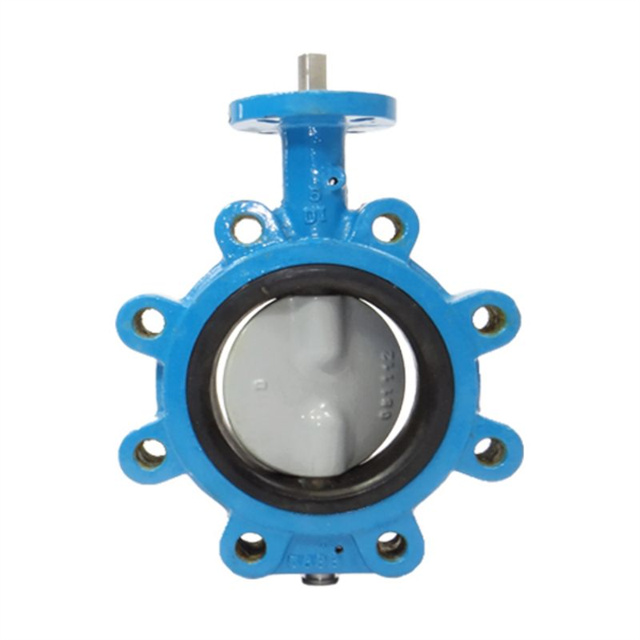
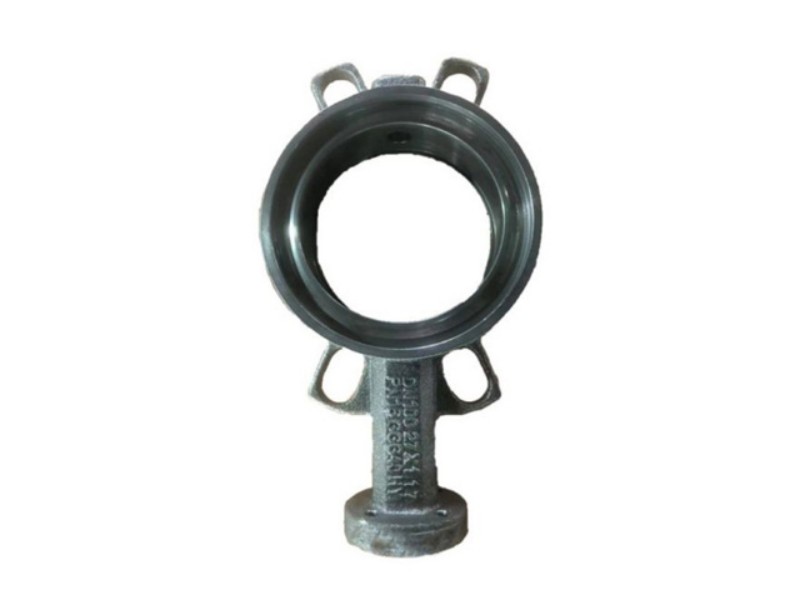
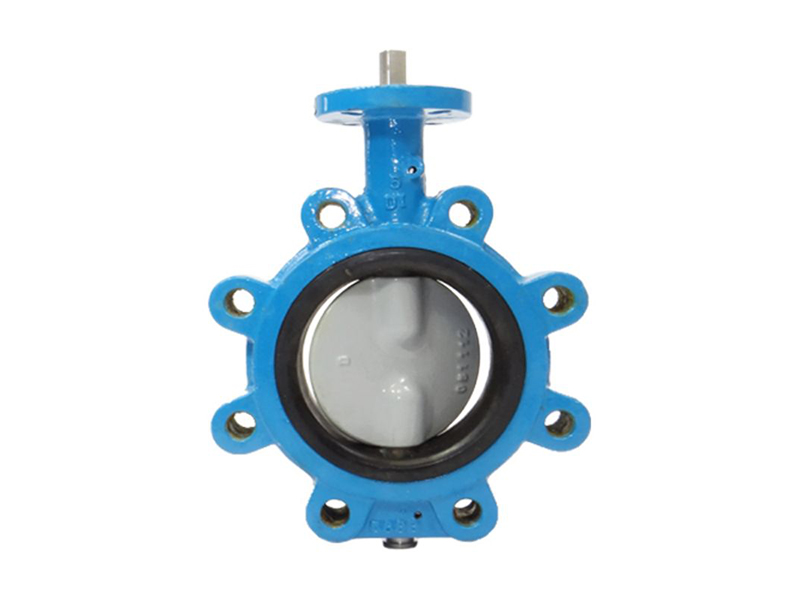
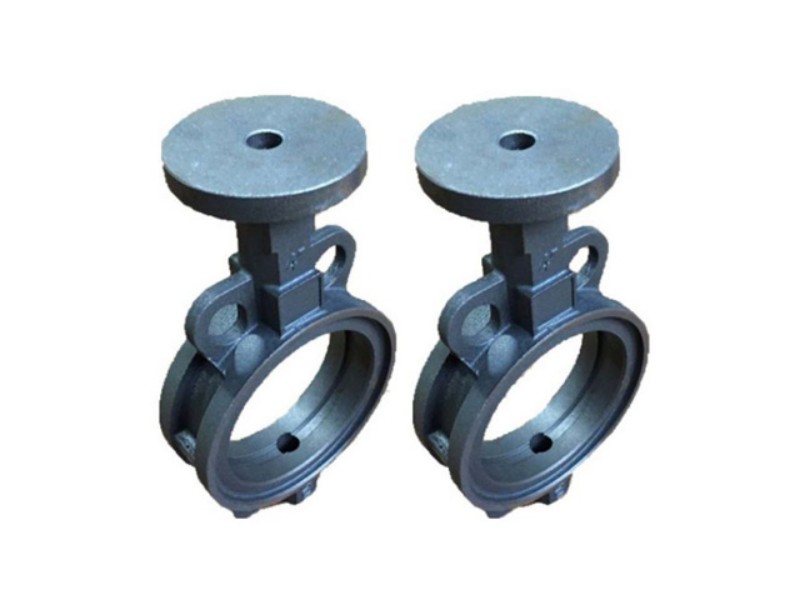
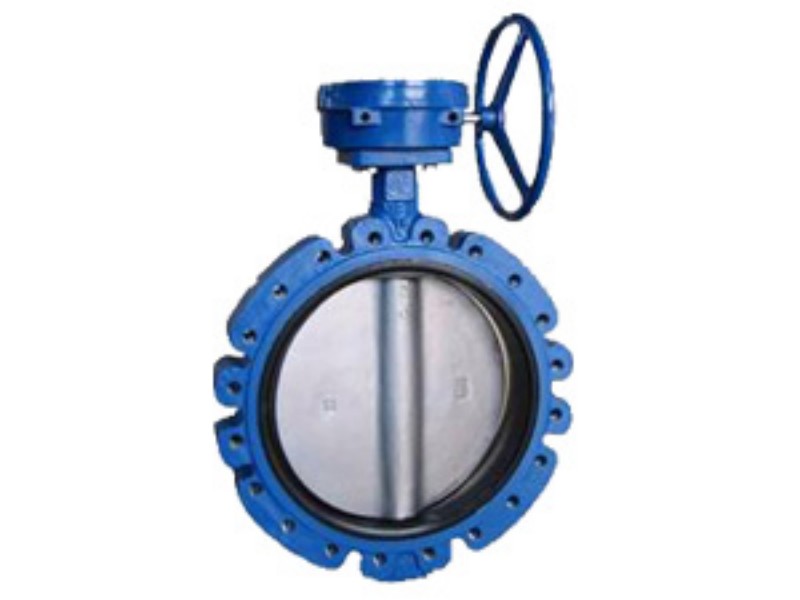
These are key components in industrial, automotive, and fluid-handling systems, and quality control is critical to ensure proper sealing, durability, and operation.
1. Common Butterfly Valve Parts
A typical butterfly valve includes:
Valve body – houses the flow passage; usually cast.
Disc / plate – rotates to open/close flow.
Stem / shaft – connects disc to actuator or handle.
Seat / sealing ring – may be elastomeric or metallic.
Actuator flange / gearbox – connects manual or automated actuation.
The valve body and disc are usually cast, while stems can be forged or machined.
2. Material Selection
Valve body / disc:
Cast iron (gray or ductile) → common in low-pressure applications.
Carbon steel / stainless steel → corrosion resistance, high pressure.
Bronze / brass → marine or corrosion-prone applications.
Stem / shaft:
Sealing surfaces:
Quality control tip: Material must meet ASTM or ISO standards (e.g., ASTM A216 WCB for carbon steel, ASTM A351 CF8M for stainless steel).
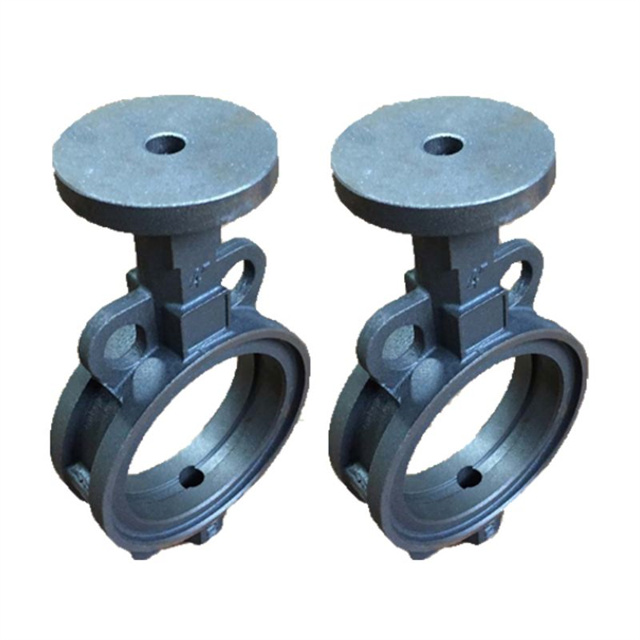
3. Casting Process for Valve Bodies and Discs
A. Sand Casting
Most common for iron and carbon steel bodies/discs.
Advantages: Large sizes, complex shapes, low cost.
Quality control focus:
Proper mold and core design to prevent misruns or blowholes.
Adequate gating, risers, and venting to avoid porosity.
Controlled cooling to minimize shrinkage and distortion.
B. Investment Casting
Used for stainless steel or small, precise valve discs.
Advantages: Excellent dimensional accuracy, smooth surface finish.
Quality control focus:
C. Forging / Machining
4. Heat Treatment and Surface Treatment
Stress relief annealing – reduces residual stresses in the valve body after casting.
Hardening or tempering – for stainless or alloy steels to improve strength and wear resistance.
Surface finishing – machining, grinding, or lapping for sealing surfaces to ensure tight shut-off
5. Inspection and Quality Control
A. Dimensional Control
Valve body dimensions: Bore, flange holes, and face flatness checked with calipers, gauges, or CMM.
Disc and stem alignment: Ensures smooth rotation and proper sealing.
B. Non-Destructive Testing (NDT)
Radiography / X-ray: Detects internal voids, inclusions, or cracks.
Ultrasonic testing: Finds subsurface flaws in thick sections.
Dye penetrant / magnetic particle testing: Surface cracks in ferrous parts.
C. Pressure and Leak Testing
D. Hardness and Mechanical Testing
6. Common Defects and Prevention in Butterfly Valve Casting
| Defect | Cause | Control Method |
|---|
| Porosity | Gas entrapment, turbulence | Degassing, proper gating, slow pouring |
| Shrinkage cavity | Improper riser design | Adequate risers, directional solidification |
| Misrun / cold shut | Low pouring temperature | Correct pouring temperature, mold preheating |
| Cracks / warping | Thermal stress during cooling | Controlled cooling, stress relief heat treatment |
| Sand inclusion | Mold erosion | High-quality sand, proper mold handling |
| Misalignment | Improper machining or shrinkage | Simulation, CNC finishing, tight quality checks |
FAQ
1. Are you a manufacturer or a trading company?
We are a professional manufacturer with over 20 years' experience for designing and producing casting parts and machining parts.
2. How can I get some samples?
If you need, we are glad to offer you samples for free, but the new clients are expected to pay the mould cost and courier cost.
3. Can you make casting according to our drawing?
Yes, we can make casting according to your drawing, 2D drawing, or 3D cad model, both available. If the 3D cad model can be supplied, the development of the tooling can be more efficient. But if without 3D, based on 2D drawing we can still make the samples properly approved.
4. Can you make casting based on our samples?
Yes, we can make measurement based on your samples to make drawings for tooling making.
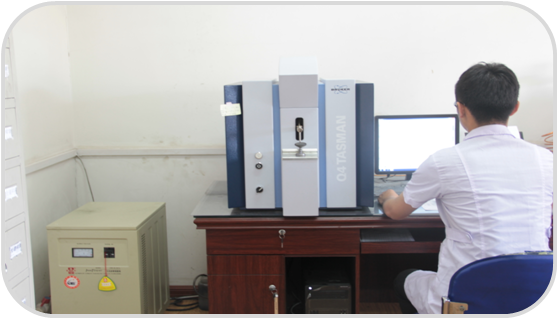
5. What's your quality control device in house?
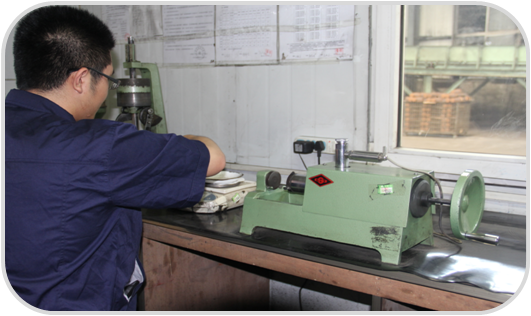
We have spectrometer in house to monitor the chemical property, tensile test machine to control the mechanical property and UT Sonic as NDT checking method to control the casting detect under the surface of cast.
For more information, please feel free to contact us!