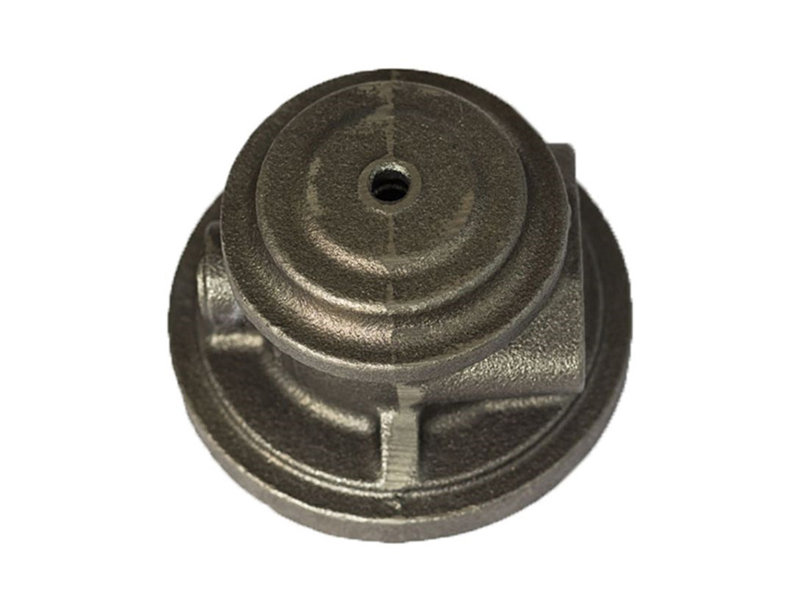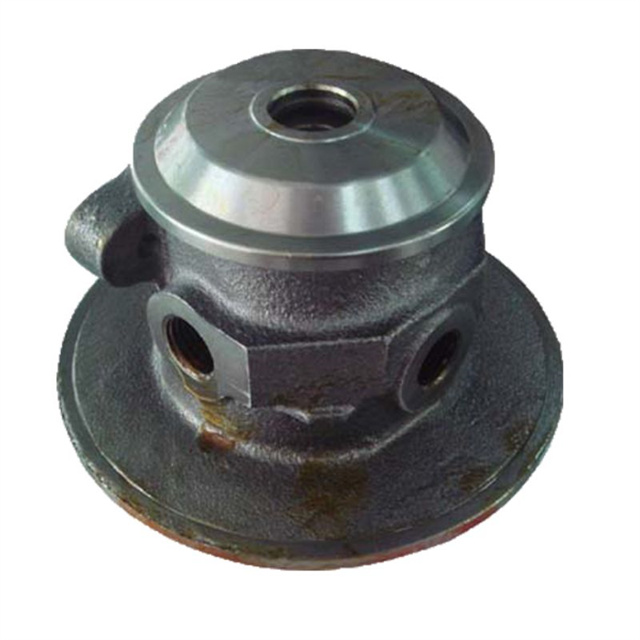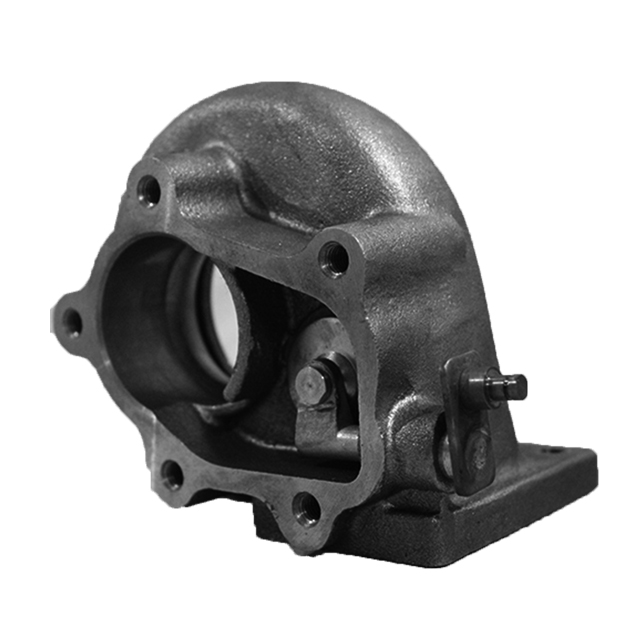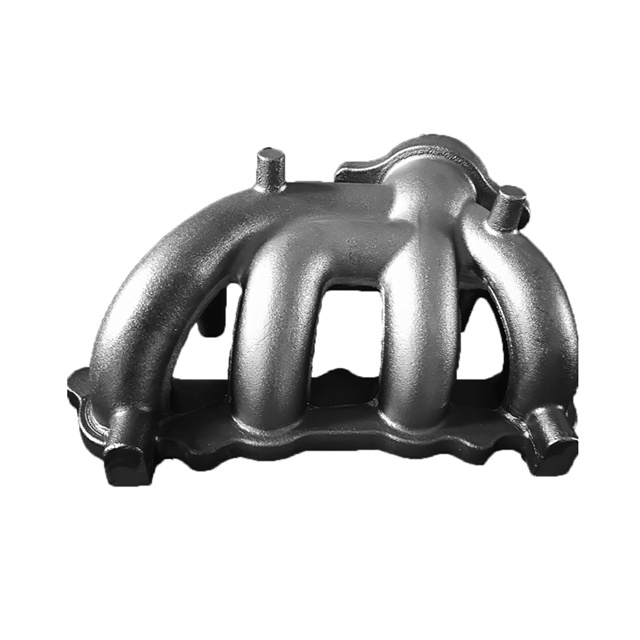
• Turbocharger bearing housings (intermediates)
  • Turbocharger bearing housings (intermediates)
  • Turbocharger bearing housings (intermediates)
  • Turbocharger bearing housings (intermediates)

Turbocharger bearing housings (intermediates)

  • HR
  • Liaoning
1.As a pioneer in the foundry industry, we have led the industry for 26 years. 2.Our team consists of a group of experienced engineers, technologists and managers with an average of 10 years of experience in the casting field.

Turbocharger bearing housings (intermediates)

Core product: 

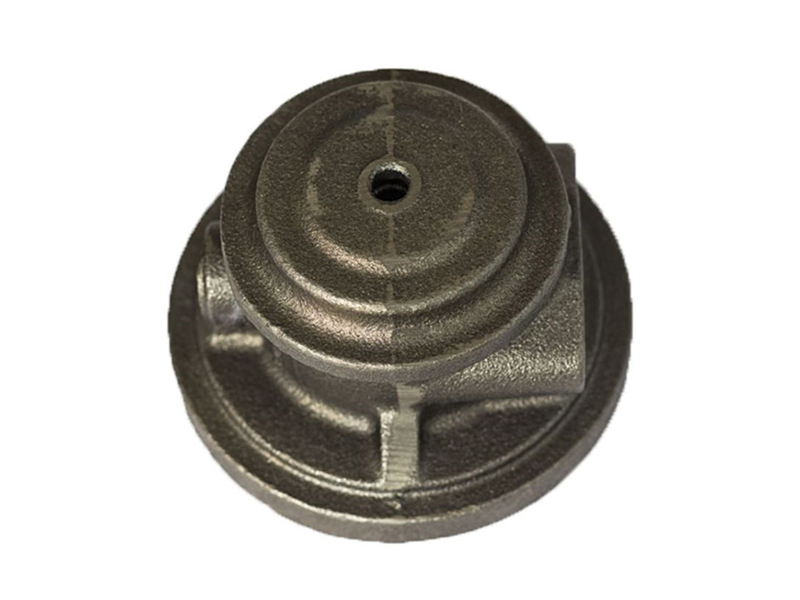
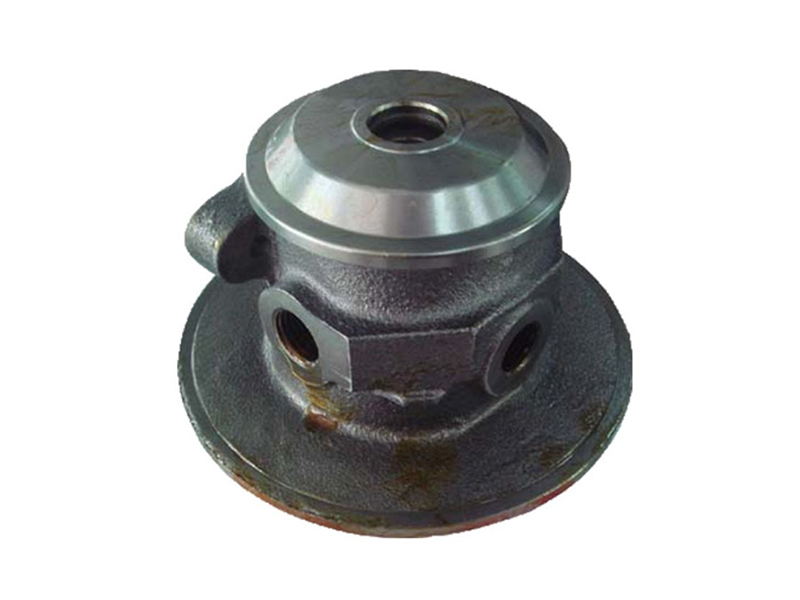
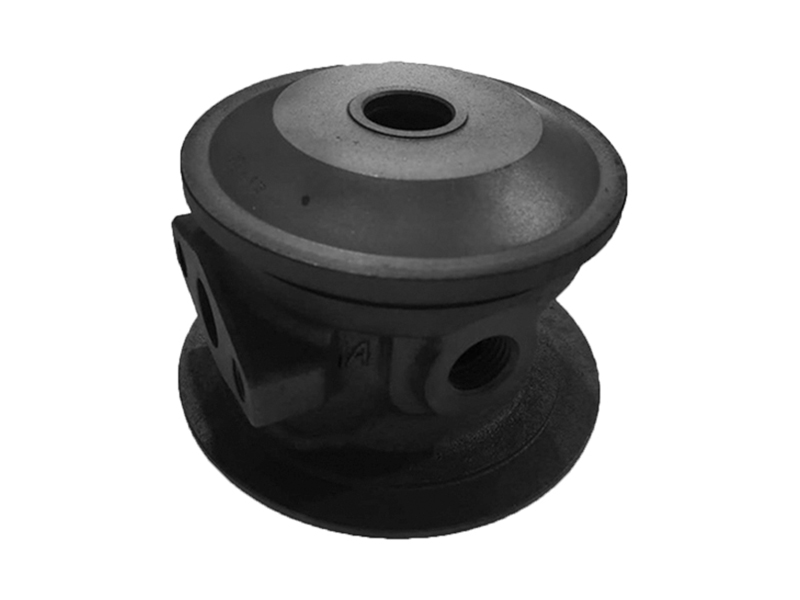
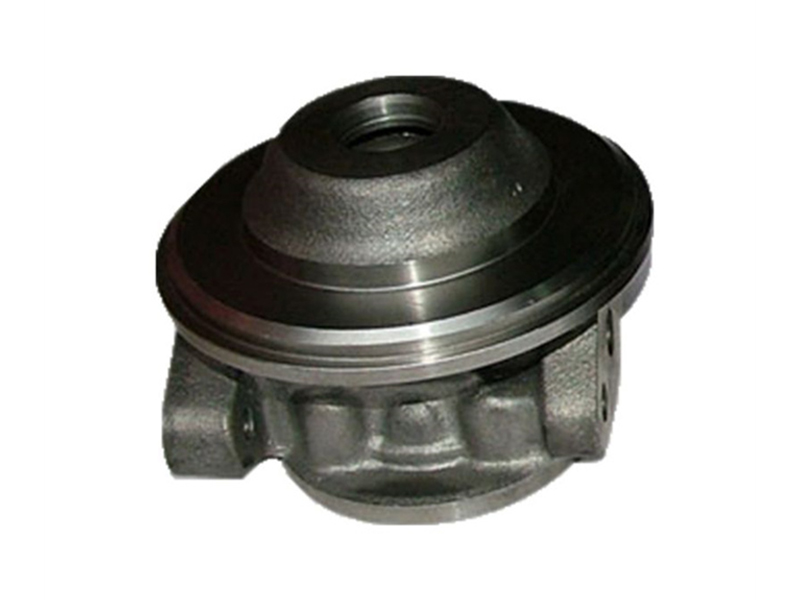
turbocharger bearing housing (intermediate), designed for automotive engines, is a key component to enhance engine performance.

       1. Material Considerations

Turbocharger bearing housings typically use high-strength, heat-resistant cast irons or stainless steel alloys:

  1. Compacted Graphite Iron (CGI)

    • Excellent strength and thermal fatigue resistance.

    • Better than gray cast iron for high-stress, high-temperature applications.

  2. Austenitic or Martensitic Stainless Steels

    • Used when corrosion resistance or higher temperatures are critical.

Key Quality Control Points:

  • Maintain correct composition of alloying elements (C, Si, Ni, Cr, Mo).

  • Control impurities (S, P) to avoid brittleness.

  • Degas molten metal to prevent porosity.

     2. Casting Process

     Turbocharger bearing housings are typically produced using:

  1. Precision investment casting (lost-wax process)

    • Ensures excellent surface finish and dimensional accuracy.

    • Ideal for thin-walled sections and complex internal geometries.

  2. Die casting (for aluminum housings in some designs)

    • Suitable for lightweight turbochargers.

    • Requires tight process control to avoid gas porosity.

Critical Process Parameters:

  • Pouring temperature: Must be controlled within ±10–15°C for proper metal flow.

  • Mold design: Must allow complete filling of small, intricate channels.

  • Gating & risers: Proper placement to avoid shrinkage and turbulence.

  • Directional solidification: Ensures internal areas solidify without voids

Turbocharger bearing housings

      3. Heat Treatment

  • Stress relief annealing: Reduces residual stresses from casting and machining.

  • Solution treatment (for stainless alloys): Improves toughness.

  • Aging or tempering (for high-strength alloys): Enhances fatigue resistance.

Note: Turbocharger housings often see thermal cycling, so heat treatment is critical to prevent cracking under operational stress.

After-sales guarantee:

      4. Machining & Finishing

  • Bore finishing: The bearing bore must meet tight tolerances (often ±5 µm).

  • Surface finishing: Smooth surfaces reduce friction and improve lubrication.

    Balancing: Turbo housings are balanced to avoid vibration at high RPM.

  • Cast iron automotive parts

      5. Inspection & Quality Assurance

  • Because these parts operate under extreme conditions, inspection is rigorous:

  • Non-destructive testing (NDT):

    • X-ray / CT scanning: Detects internal porosity or inclusions.

    • Ultrasonic testing: Checks for cracks in thick sections.

    • Dye penetrant or magnetic particle testing: Detects surface cracks.

  • Dimensional inspection:

    • CMM (Coordinate Measuring Machine) ensures precise bore geometry.

    • Critical for rotor alignment and bearing clearance.

  • Mechanical testing:

    • Hardness testing to ensure wear resistance.

    • Fatigue testing for high-cycle thermal stress areas.

    6. Common Defects in Turbocharger Bearing Housings & Control Methods

    DefectCauseControl Method
    PorosityGas entrapment, turbulenceDegassing, filtration, proper gating
    Shrinkage cavityPoor directional solidificationProper riser placement, chills
    Cold shut / misrunLow pouring temperatureControlled pouring temp & rate
    CrackingThermal stress during coolingStress-relief annealing, controlled cooling
    Inclusions / impuritiesContaminated meltAlloy control, fluxing, filtration
    MisalignmentShrinkage deformationSimulation, mold design, CNC finishing

    7. Process Optimization Tools

    • Casting simulation: Predicts solidification, shrinkage, and porosity.

    • Thermal analysis: Ensures uniform cooling to avoid thermal stress.

    • Automation: Robotic pouring ensures consistent fill for complex molds.

    • Statistical process control (SPC): Monitors critical parameters like pouring temp, mold temperature, and cooling rates.

      turbocharger partsTurbocharger bearing housings

    For more information, don't hesitate to reach out to us!


Annex

Related Products

Get the latest price? We will reply as soon as possible (within 12 hours)