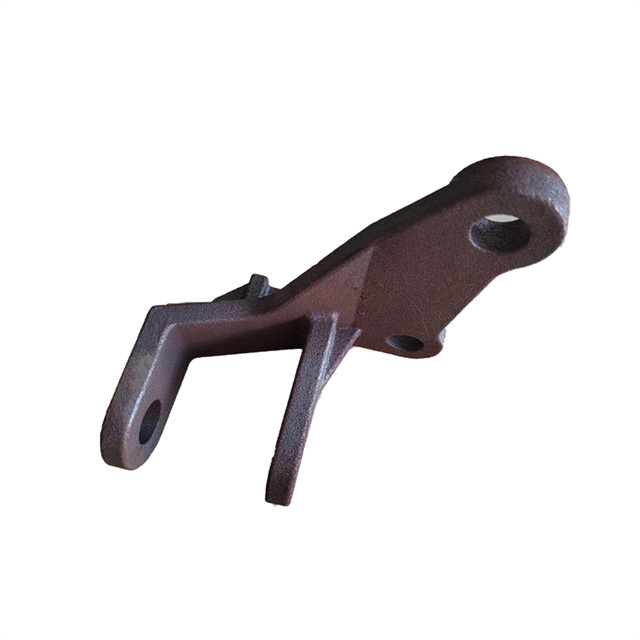
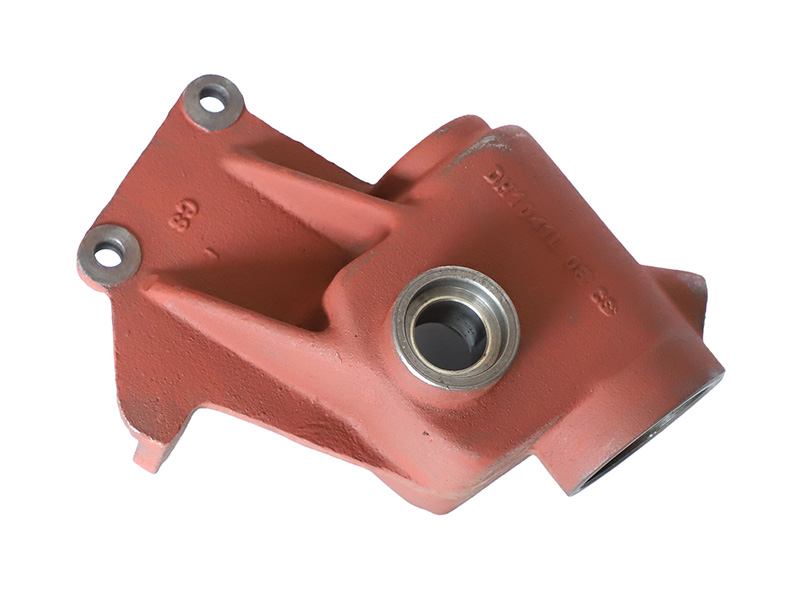
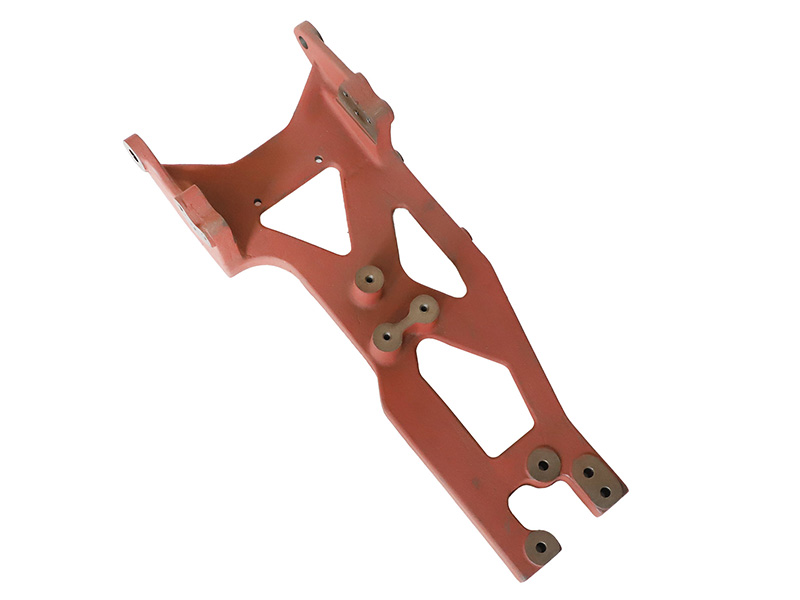
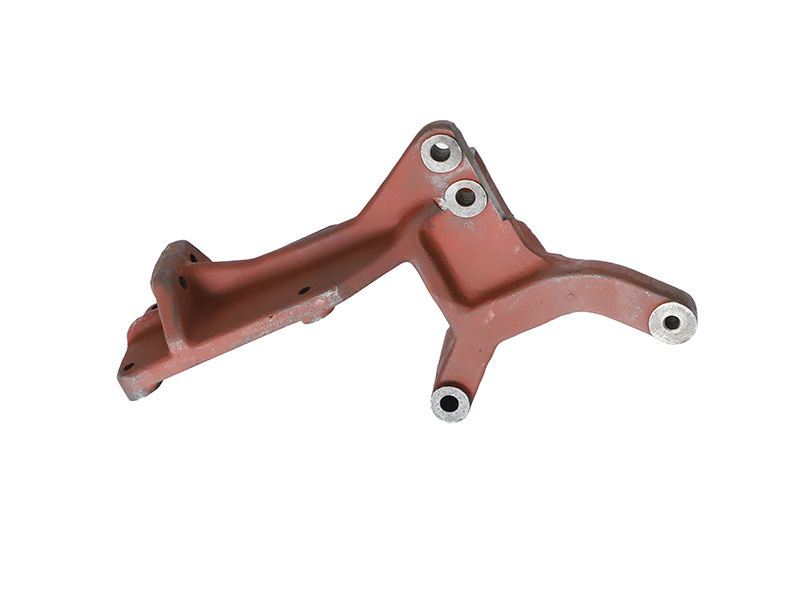
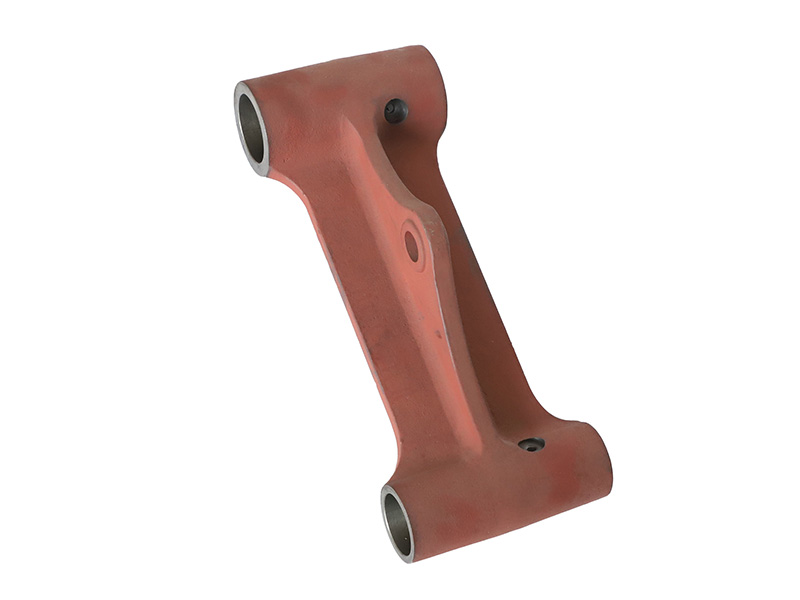
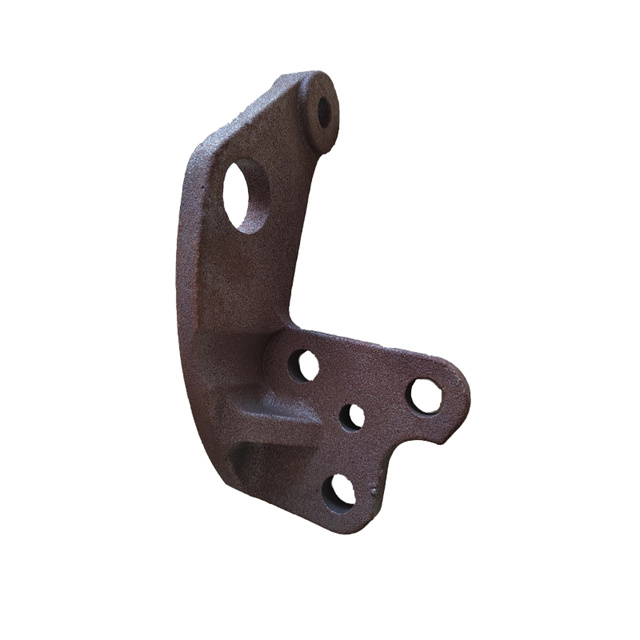
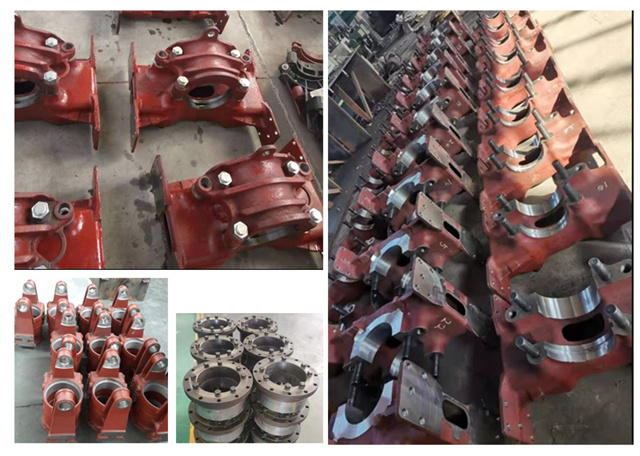
cast iron tractor parts—like engine blocks, cylinder heads, housings, brackets, and gears. Cast iron is widely used in tractors because of its high wear resistance, vibration damping, and good castability, but it has some challenges like brittleness and shrinkage defects. Here’s a detailed breakdown:
1. Types of Cast Iron for Tractor Parts
2. Controlling Quality in Cast Iron Tractor Parts
A. Material Control
Alloying elements: Proper carbon (C), silicon (Si), manganese (Mn), and sometimes nickel (Ni) content ensures required strength and wear resistance.
Melting and temperature: Cast iron melts at ~1200–1500°C depending on type; overheating leads to oxidation and gas absorption.
Degassing: Particularly important in ductile iron to prevent gas porosity.
B. Mold and Pattern Design
Sand casting is most common: durable, cost-effective for large tractor parts.
Pattern design: Must account for shrinkage (1–2%) and draft angles.
Gating and riser design: Proper placement ensures directional solidification, reduces shrinkage cavities.
Tip: Chills (metal inserts) can be used to control cooling rate in thick sections like engine blocks to avoid shrinkage porosity.
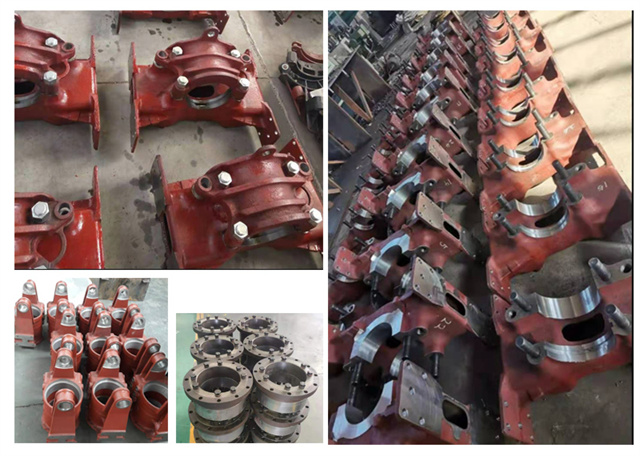
C. Casting Process Control
Pouring Temperature
Gray cast iron: 1400–1500°C
Ductile cast iron: 1450–1500°C
Consistent temperature ensures complete mold filling and prevents cold shuts.
Pouring Rate
Solidification Control
D. Heat Treatment (Post-Casting)
Annealing → reduces residual stresses and brittleness in ductile iron.
Stress relieving → avoids warping in heavy parts like axles.
Nodulizing treatment (for ductile iron) → ensures spherical graphite morphology, enhancing toughness.
E. Inspection and Testing
Visual inspection → for surface defects (cracks, misruns).
Nondestructive testing (NDT):
Ultrasonic testing → detects internal porosity, cracks
Magnetic particle inspection → finds surface cracks in ferrous parts
X-ray inspection → high-value engine blocks or complex housings
Mechanical testing:
Tensile strength, hardness, impact tests ensure part meets specifications.
F. Process Optimization
Simulation tools (MAGMA, ProCAST) predict shrinkage, solidification patterns, and thermal gradients.
Statistical process control (SPC): monitors melting temperature, pouring rate, mold quality.
Automation: pouring systems reduce human error, especially for large engine blocks
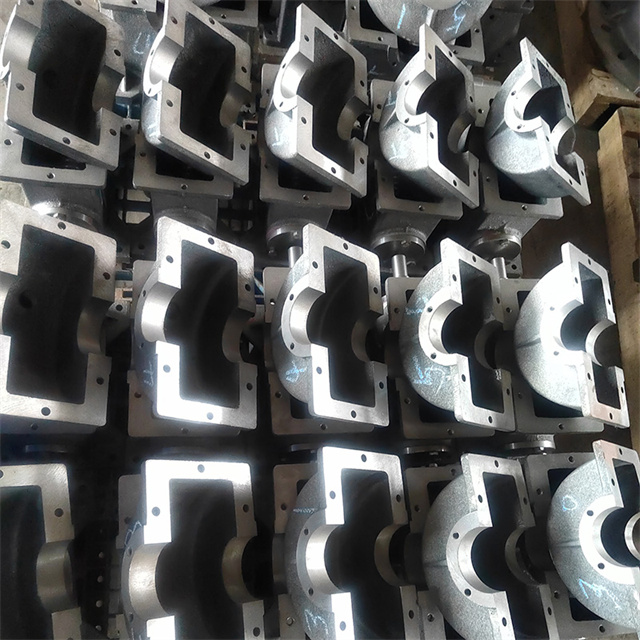
G. Common Defects in Cast Iron Tractor Parts & Prevention
| Defect | Cause | Control Method |
|---|
| Shrinkage cavity | Improper riser placement, directional solidification failure | Use risers, chills, proper mold design |
| Gas porosity | Dissolved gases, turbulence | Degassing, filtration, slow pouring |
| Cold shut | Cold metal fronts meet | Correct pouring temperature and gating |
| Crack / Warpage | Thermal stress | Controlled cooling, heat treatment |
| Sand inclusion | Mold erosion | High-quality molding sand, proper venting |
For further more information, please feel free to contact us.
Email: annamaaning@163.com
Whatsapp: 008618841534576