

Methods for Controlling the Quality of Automotive Castings by Casting Processes
Automotive parts like engine blocks, cylinder heads, and transmission housings often rely on casting processes such as sand casting, die casting, and investment casting. The quality of these castings is critical because defects can lead to mechanical failures, increased wear, or poor performance. Here’s details description:
1.Material Control
Alloy selection: Using high-purity alloys suitable for automotive applications (e.g., aluminum, magnesium, or cast iron) ensures proper mechanical properties.
Melting and temperature control: Maintaining precise melt temperatures prevents oxidation, inclusions, or improper fluidity.
Degassing and filtration: Removing dissolved gases (hydrogen in aluminum alloys) and inclusions through degassing and ceramic filters reduces porosity and improves strength.
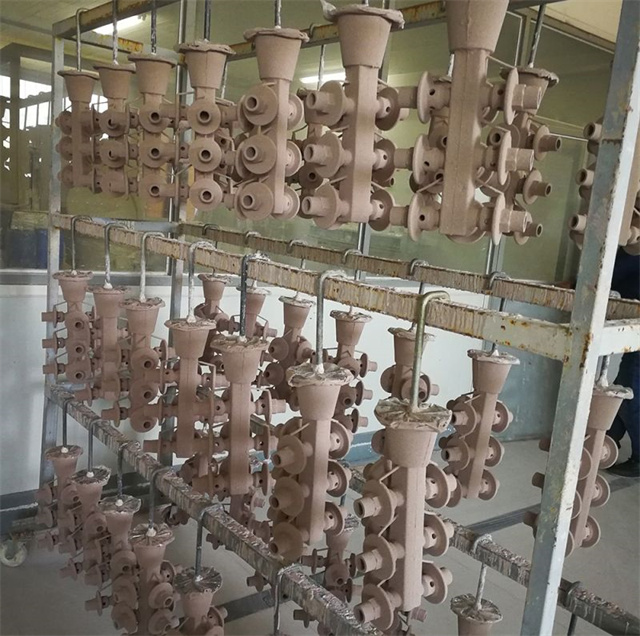
2. Mold and Pattern Design
Accurate pattern design: Proper shrinkage allowance, draft angles, and fillets reduce stress concentrations and misruns.
Mold material selection: High-quality sand, resin-bonded molds, or metal dies improve dimensional accuracy and surface finish.
Venting and gating: Proper design of sprues, gates, and vents ensures smooth metal flow and avoids turbulence, air entrapment, or cold shuts.
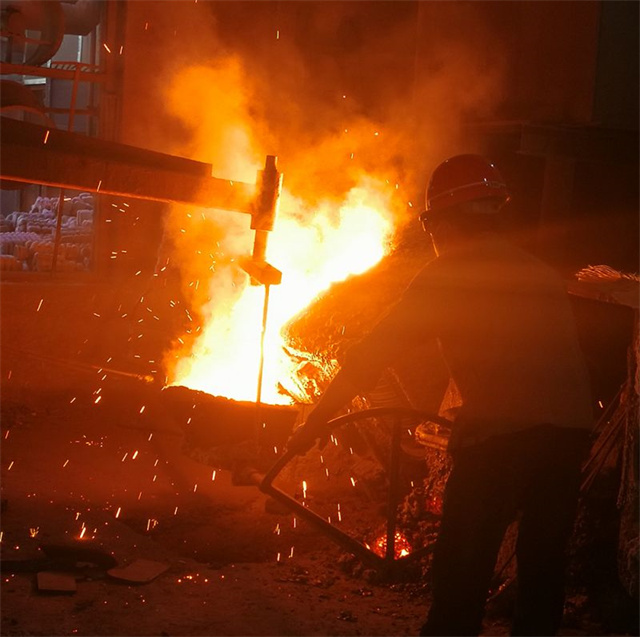
3. Casting Process Control
Pouring rate and temperature: Controlling the pour ensures complete mold filling without turbulence, reducing defects like cold shuts and porosity.
Directional solidification: Using chills and risers to control solidification reduces shrinkage cavities.
Die temperature control (for die casting): Consistent die temperature prevents premature solidification and improves surface quality.
4.Post-Casting Treatments
Heat treatment: Stress-relieving or solution treatment improves mechanical properties and reduces internal stresses.
Surface treatments: Shot peening, machining, or polishing enhances surface quality and dimensional accuracy.
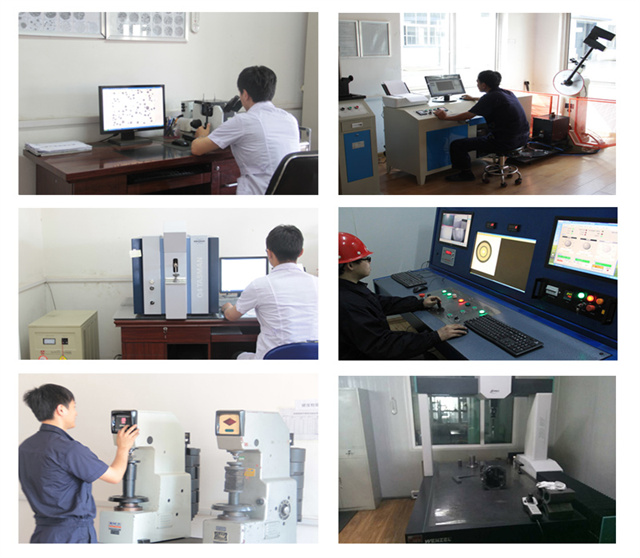
Inspection and non-destructive testing (NDT): X-ray, ultrasonic testing, or dye penetrant inspection identifies internal defects like porosity or cracks.
5. Automation and Robotics
Automated pouring and handling: Reduces human error and ensures consistent casting conditions.
Robotic inspection: Improves defect detection and ensures repeatable quality checks.
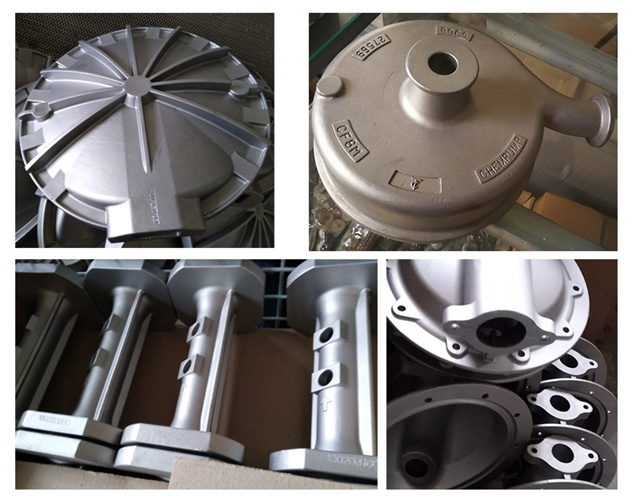
Automotive casting quality is all about controlling variables at every stage, from the material and mold design to process control, inspection, and post-processing. When done systematically, it drastically reduces defects like porosity, shrinkage, cold shuts, and misruns, which are common in automotive castings.
If you need more details, please don't hesitate to contact us!
Email: annamaaning@163.com
Whatsapp: 008618841534576